Photochromic lenses: real benefits (and the limits nobody mentions)
8 September 2026 · 4 min read

How they work (the simple version)
Embedded in the lens are millions of photosensitive molecules. When UV light hits them, they change shape and the lens darkens; when UV disappears, they relax and the lens clears. No batteries, no electronics: pure reversible chemistry, good for millions of cycles.
Two consequences: they activate with UV (not visible light) and they carry full UV400 protection in both states, clear or dark.
Benefits you will actually notice
- Two pairs in one: indoor prescription and sunglasses without swapping frames.
- Constant UV protection, even on cloudy days (UV goes through clouds).
- Comfort for people who go in and out all day: deliveries, parents at the park, errands, terraces.
The limits (there are some, and they should be said)
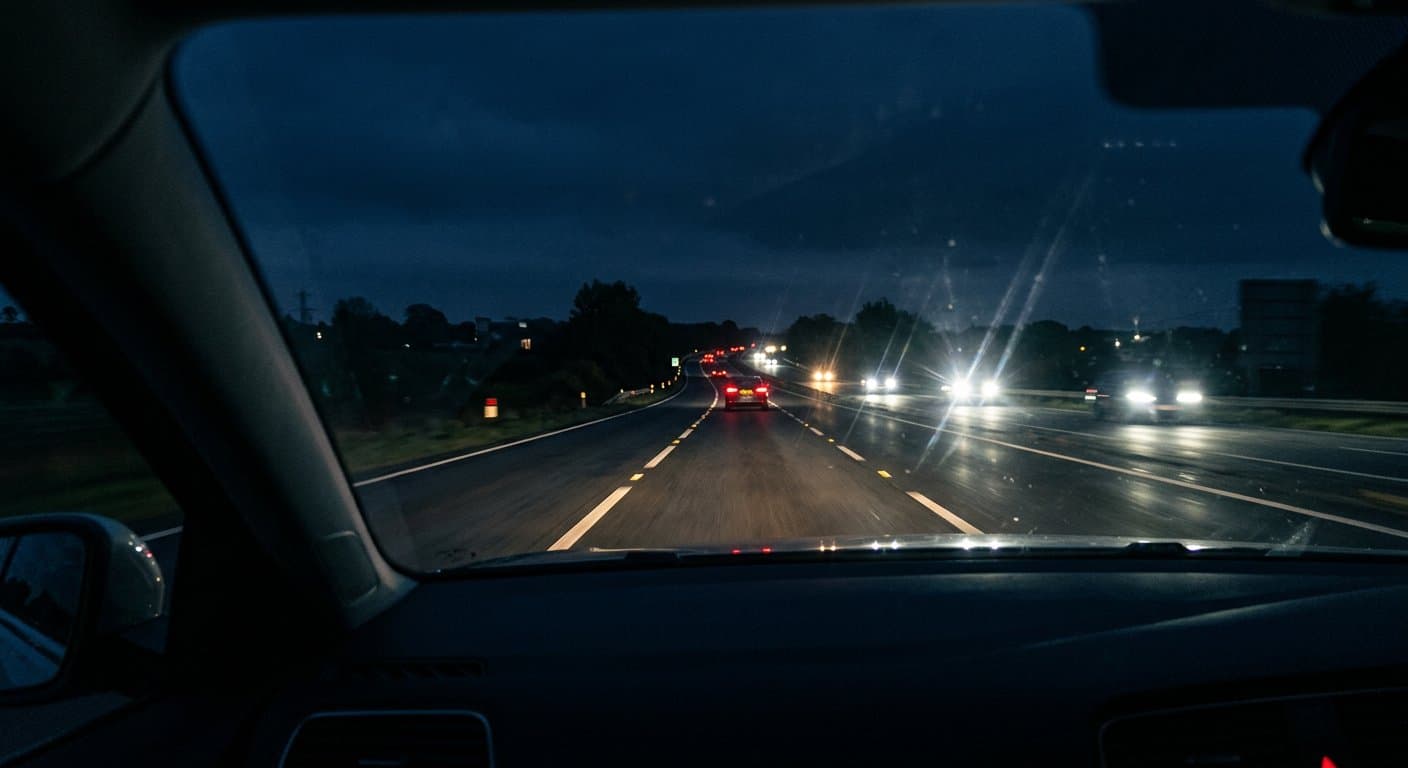
- Inside the car they darken little: the windscreen blocks most UV (driving-specific versions that react to visible light exist — ask if you drive a lot).
- In strong heat transitions slow down and max tint is lighter; in the cold they darken more.
- They never get as dark as a category 3 sunglass: beach, high mountain and hard summers still favour real sunglasses.
- Full fade-back takes a couple of minutes: stepping from bright street into a dark shop has its small adaptation moment.
Who we recommend them to
They're ideal if you want one pair for everything and spend the day in-and-out. They don't replace proper prescription sunglasses if your plan is beach or long hours in full sun. Bring your current glasses to the optician's and we'll check compatibility and prices, no strings attached.