Glaucoma: the silent thief of sight that gives no warning
13 October 2026 · 4 min read
What's happening inside the eye
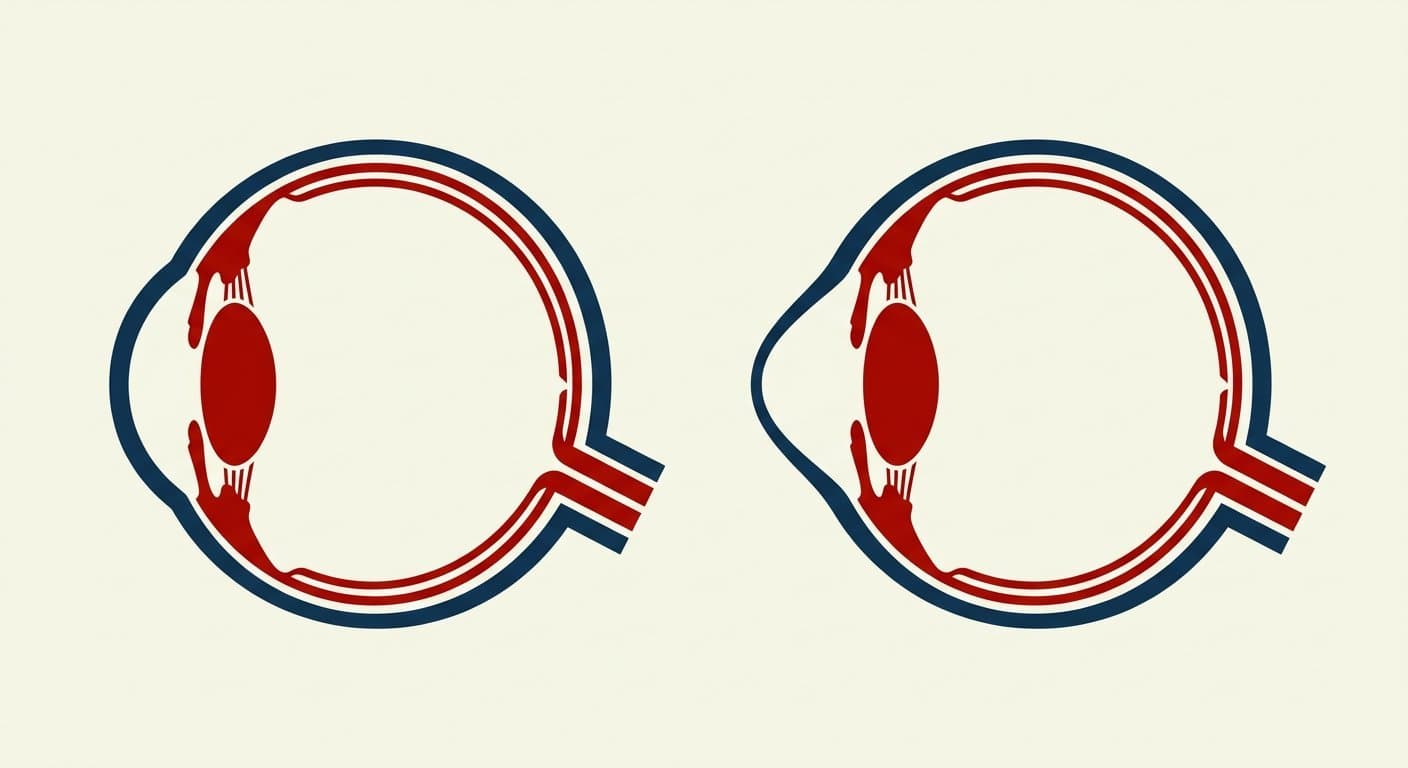
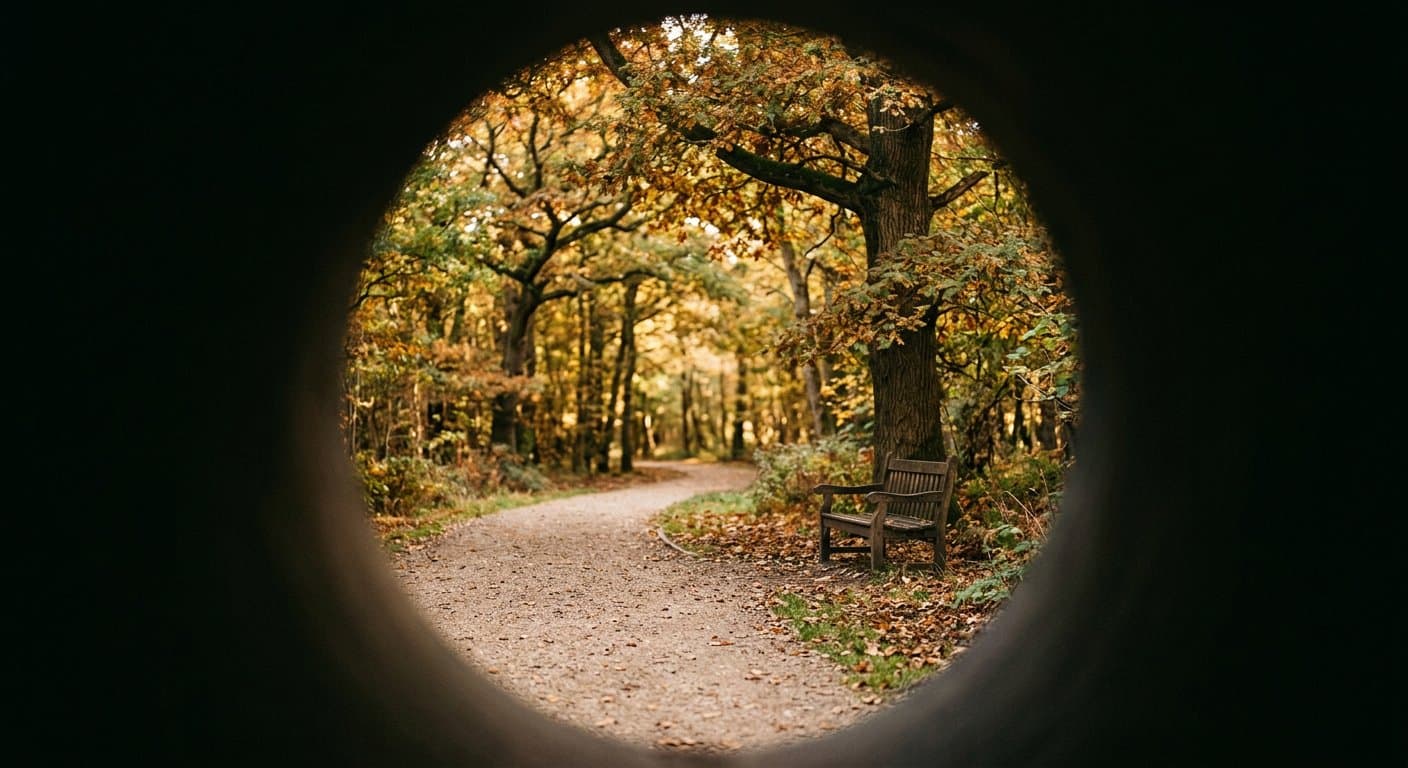
Glaucoma is a group of diseases that damage the optic nerve, almost always because intraocular pressure is too high for that particular nerve to bear. Nerve cells die slowly, and peripheral vision goes first: as if the world gently closed in from the edges.
The cruel part: the brain patches over the gaps without asking you. No pain, no redness, no central blur until late. When someone notices 'missing field' on their own, the damage is already significant — and irreversible.
Who's at higher risk
If any of these fit you: a full check every 1-2 years, even if you see beautifully. Especially then — seeing well says nothing about your eye pressure.
- Over 40 (risk rises every decade).
- Direct family history of glaucoma (parents, siblings).
- High myopia, diabetes, hypertension, or long-term corticosteroid use.
- Elevated eye pressure ever measured at a check-up.
The tests that catch it early
The basic trio: intraocular pressure measurement (tonometry), inspection of the optic nerve head with a fundus exam, and — if there's suspicion — visual field testing (perimetry) and OCT, which measures nerve fibre thickness with micrometric precision.
None of these hurt. Tonometry takes seconds; perimetry is basically a video game of little lights. Meanwhile, undiagnosed glaucoma advances silently year after year.
And if it's positive?
Then the ophthalmologist takes over: usually pressure-lowering drops first, sometimes laser or surgery. The goal isn't to recover what's lost (today, impossible) but to freeze the disease so it advances no further. Caught early and controlled, the vast majority of people with glaucoma keep useful vision for life.
At the optician's we run the full screening (pressure + fundus) and, with the slightest doubt, refer you with a written report. No alarms, no brushing it under the carpet either.