Myopia: causes, prevention and treatments
27 April 2024 · 6 min read
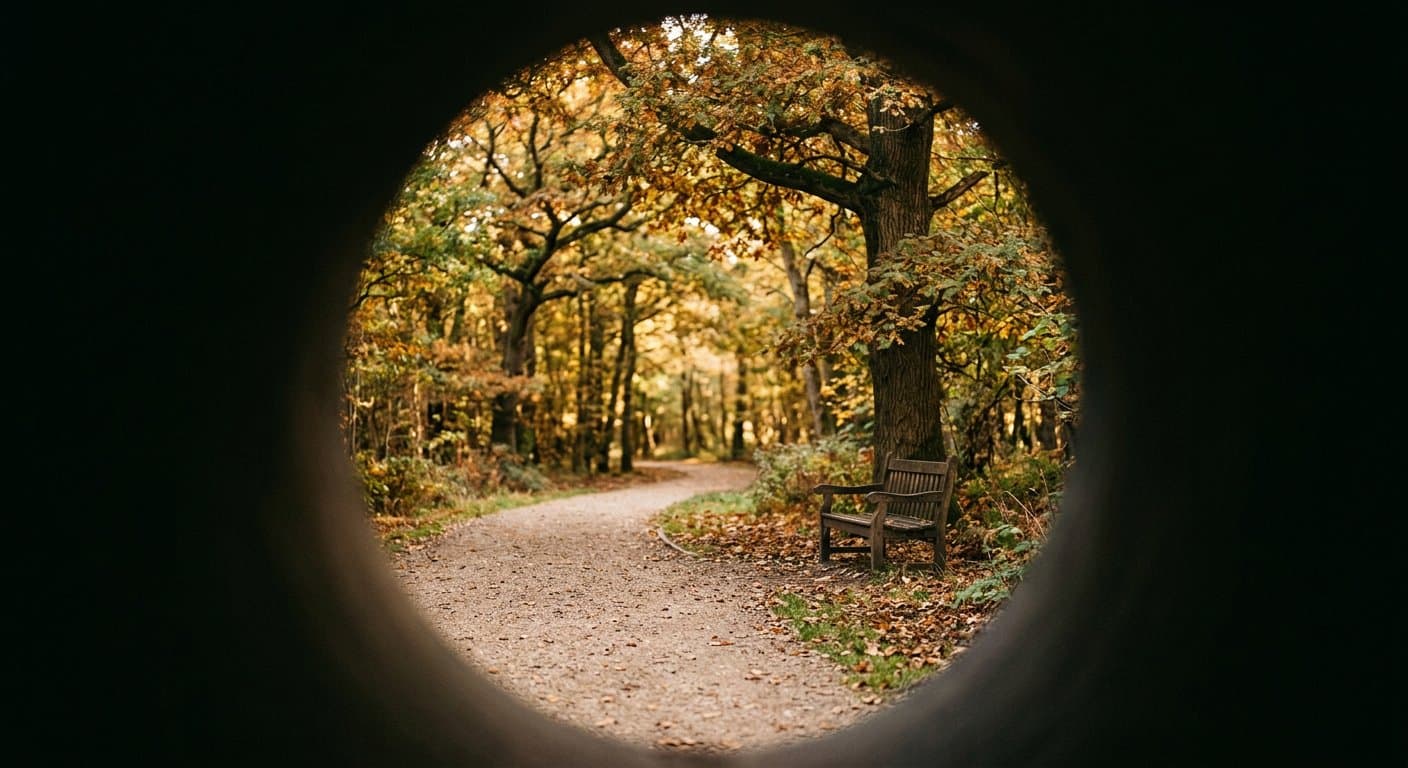
Myopia (short-sightedness) is a vision problem characterised by difficulty seeing distant objects clearly. People with myopia usually experience blurry or out-of-focus vision when trying to focus on things at a distance: the whiteboard at school, traffic while driving or the TV from the sofa.
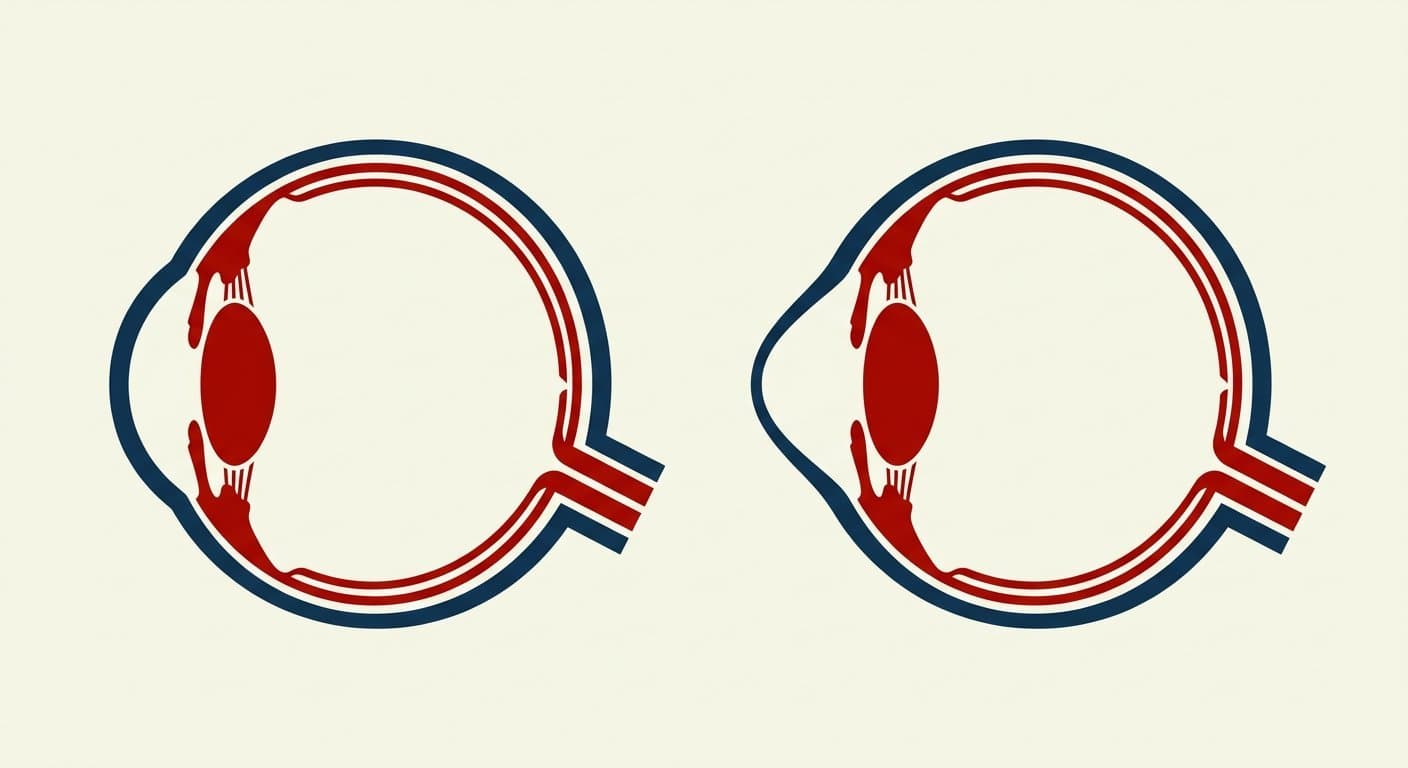
Anatomically, myopia occurs when the eyeball is slightly longer than normal or when the cornea is too steeply curved. This causes light to focus in front of the retina instead of exactly on it, which is why the image arrives blurred.
Why does myopia develop?
Myopia has a strong genetic component: if one parent is myopic, the chance that their child will be too increases. But it is not the only factor. Lifestyle plays an increasingly decisive role, and recent studies suggest that the combination of little natural light and lots of near work speeds up the onset and progression of myopia, especially in childhood.
- Genetic factors: family history of myopia.
- Excessive screen time and near activities (reading, phones, video games).
- Little outdoor time during childhood: natural light is protective.
- Poor lighting or incorrect posture when reading or studying.
Warning symptoms
- Blurred vision when looking far away, but sharp up close.
- Needing to squint to focus better.
- Frequent headaches, especially at the end of the day.
- Eye strain when driving, watching TV or following a class.
- In children: sitting very close to screens or frowning at the whiteboard.
How can myopia be prevented?
Although myopia cannot be completely prevented, there are steps that can reduce the risk of developing it or slow its progression:
- Keep good visual hygiene: rest your eyes regularly during activities that demand prolonged visual effort, such as reading or using electronic devices.
- Apply the 20-20-20 rule: every 20 minutes, look at something about 6 metres (20 feet) away for 20 seconds.
- Do eye exercises: specific eye movements and focusing exercises to strengthen the eye muscles.
- Keep a proper distance when reading or using screens: at least 35–40 cm.
- Spend more time outdoors, especially for children: an average of 2 hours a day in natural light is recommended.
- Follow a balanced diet: foods rich in vitamins A, C and E, as well as omega-3 fatty acids, help maintain good eye health.
How is myopia treated?
There are different treatment options for myopia, depending on its severity and each person's individual needs:
- Corrective lenses: glasses or contact lenses are the most common option. They focus light correctly onto the retina and improve vision immediately.
- Myopia-control lenses: special designs (glasses and contact lenses) that not only correct but also slow progression in children and teenagers.
- Orthokeratology (Ortho-K): rigid contact lenses worn overnight that reshape the cornea so you can see well during the day without correction.
- Refractive surgery: techniques such as LASIK or PRK permanently correct myopia by reshaping the cornea. Always after a prior study at an eye clinic.
- Intraocular lenses: in cases of high myopia or when laser surgery is not advisable, lenses can be implanted inside the eye to correct vision.
Childhood myopia deserves special attention
In recent years childhood myopia has increased dramatically, and acting early is key: the sooner it is detected and managed, the lower the risk of it progressing to high prescriptions, which are associated with more eye problems in adulthood.
If your child sits very close to screens, squints or complains about not seeing the board properly, book an eye test. At the optician's we will carry out a full assessment and explain every available control option.
It is important to consult a specialist to determine the best treatment for each case of myopia. The professional will assess severity and individual needs before recommending the most suitable option. And remember: no article (not even this one!) replaces an in-person eye examination.