Hearing health: 10 essential tips and common causes of damage
27 July 2024 · 8 min read
Hearing care is essential for keeping your ears healthy, yet we often don't give it the importance it deserves until the first problems appear. The good news is that most risk factors can be controlled with simple habits. Below you'll find ten practical recommendations to improve your hearing care.
The team's 10 tips
- 01 · Proper cleaning: avoid using pointed objects to clean your ears (cotton buds included), as they can damage the ear canal. Use a damp cloth or specific solutions recommended by professionals.
- 02 · Hearing protection: in noisy environments such as concerts or workplaces with heavy machinery, wearing ear protection is essential to prevent long-term damage.
- 03 · Regular check-ups: have your hearing checked regularly to catch any problem early, especially from age 50 onwards.
- 04 · Limit exposure to loud sounds: reduce the time you spend exposed to intense noise and take frequent breaks if you must be in loud environments.
- 05 · Safe volume: keep the volume of personal audio devices at a safe level: no more than 60% of maximum volume and avoid prolonged use.
- 06 · Rest from earphones: take frequent breaks and prefer over-ear headphones rather than in-ear buds inserted directly into the canal.
- 07 · Personal hygiene: good hygiene prevents infections that can affect hearing; wash your hands and ears properly.
- 08 · Water protection: when swimming, use earplugs if you are prone to ear infections or have sensitive eardrums.
- 09 · Avoid self-medication: don't use ear drops or medicines without the recommendation of a healthcare professional.
- 10 · Healthy lifestyle: a balanced diet, regular exercise and not smoking improve blood circulation, which directly benefits hearing health.
By following these tips you can significantly improve your hearing care and keep your ears healthy in the long term.
Common causes affecting hearing health
Hearing health can be compromised by a range of factors, some more common than we might think. One of the most prominent causes is prolonged exposure to loud noise: excessive noise can damage the hair cells of the cochlea and cause irreversible hearing loss. It is essential to limit exposure to noisy environments and use adequate hearing protection when needed.
Ear infections, especially in childhood, are another common cause of hearing problems. They can cause inflammation and fluid build-up in the middle ear, temporarily or, in severe cases, permanently affecting hearing ability. Prevention and proper treatment are essential.
Medical conditions such as hypoacusis and tinnitus are also important factors. Hypoacusis (hearing loss) can be due to age, noise or genetic factors. Tinnitus appears as the perception of sounds or whistling with no external source. Both conditions significantly impact quality of life.
Certain medications, known as ototoxic drugs, can have side effects that damage the inner ear and cause temporary or permanent loss. Always consult a professional before starting new medication, especially if you already have hearing problems.
Bad habits, such as smoking or following an unhealthy diet, also negatively affect hearing health: smoking reduces blood flow to the inner ear, while an unbalanced diet may lack the nutrients needed for the hearing system to work properly.
Warning signs you shouldn't ignore
- Difficulty following conversations, especially in noisy environments.
- Frequently needing to turn up the TV or phone volume.
- A feeling of pressure or blocked ears.
- Whistling, buzzing or sounds nobody else hears (tinnitus).
- Often asking people to repeat themselves or mixing up similar words.
Strategies to identify and reduce risk factors
Identifying and reducing risk factors is an important step in preventing hearing loss. The first step is regular self-monitoring: paying attention to small changes in your ability to hear helps detect problems at early stages. Being aware of symptoms such as tinnitus or difficulty following conversations is crucial for early detection.
Maintaining a healthy lifestyle also plays a fundamental role: a balanced diet rich in vitamins and minerals such as zinc and magnesium helps keep the inner-ear hair cells working correctly, and regular exercise improves blood circulation, including the blood reaching your ears.
Modern technology offers valuable tools to assess hearing health, but nothing replaces a professional audiometry. At our centre we carry out full audiometric tests and explain the results clearly, without jargon.
At work and during leisure activities, take preventive measures: hearing protection in noisy environments and regular breaks away from noise sources to give your ears a rest.
What if I already need a hearing aid?
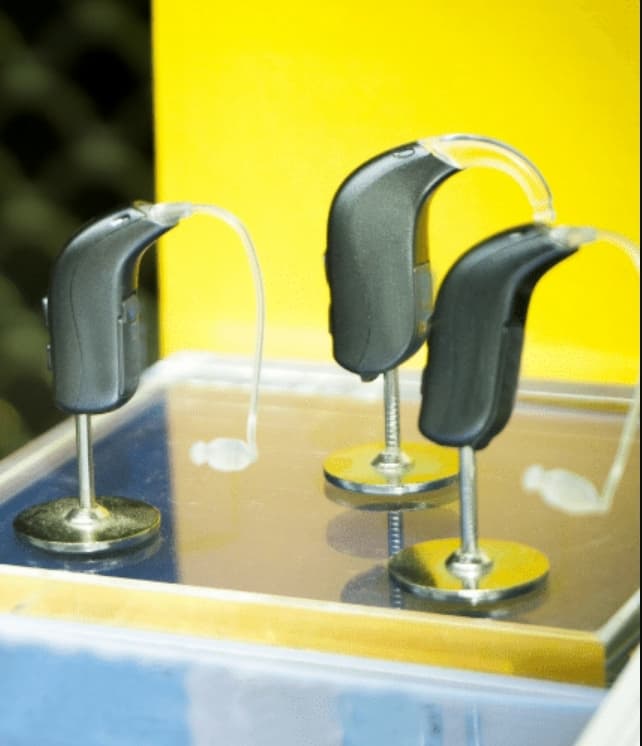
Today's hearing aids are nothing like the old ones: they are small, discreet, rechargeable and can even connect to your mobile phone to take calls and stream music directly. Fitting is personalised and progressive, with follow-up checks to fine-tune the sound to your daily life.
If you recognised yourself in any of the warning signs, the best next step is a no-obligation hearing test. The sooner you act, the easier the adaptation and the better the long-term results.