Blue Light glasses: protect your eyes from screen blue light
24 April 2024 · 7 min read
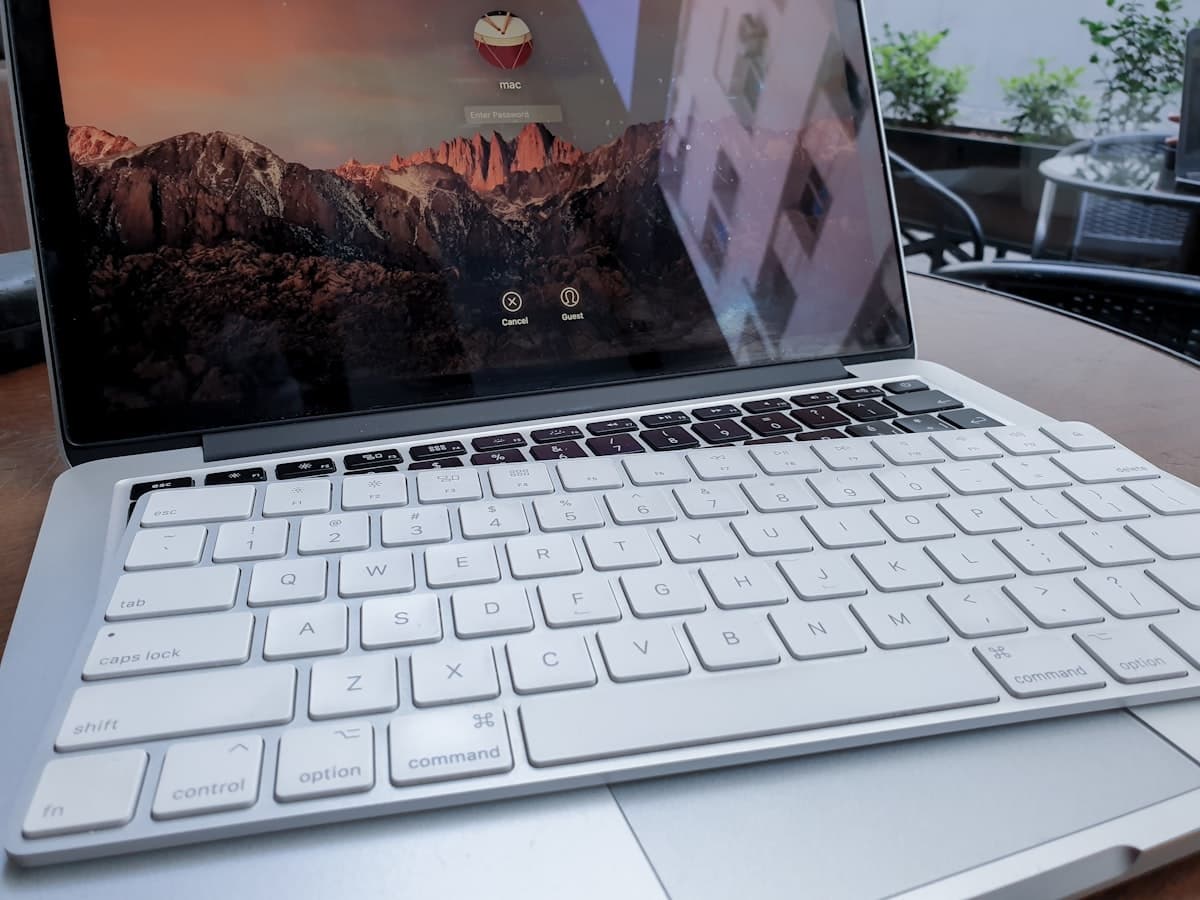
We live surrounded by screens
In the digital era we live in, we spend a large part of the day in front of electronic device screens: computers, mobile phones, tablets and televisions. These screens emit high-energy blue light (HEV) which, with prolonged exposure, can contribute to eye strain and disrupt our sleep rhythms.
This is where Blue Light glasses come in, specifically designed to filter part of that blue light and help us work and rest better.
What exactly is blue light?
Blue light is a part of the visible light spectrum, with short wavelengths and high energy (roughly between 380 and 500 nm). By far the largest source of blue light is the sun; screens emit a much smaller amount. The problem is less about quantity than context: many hours up close, often late in the day and just centimetres from our eyes.
How do Blue Light glasses work?
Blue Light glasses are fitted with special lenses that block or filter the high-energy blue light emitted by screens. These lenses have a specific treatment that absorbs or reflects part of that spectrum band, reducing the amount of blue light reaching our eyes.
By filtering this light, these filters help reduce the eye strain and ocular effort associated with prolonged screen use, and when worn in the evening they can help the body keep its natural sleep rhythm.
Why it matters for eye health
Our eyes are not designed for constant, prolonged near work on backlit screens. Because we blink less when concentrating — up to 60% less! — dry eye, temporary blurred vision, headaches and the feeling of tired eyes appear: the well-known computer vision syndrome.
Blue Light glasses act as an extra support, but the first step is always to check that your prescription is correct and suited to screen distance. An outdated prescription is the number-one cause of eye strain at the office.
Who are they especially recommended for?
- People who work 6 or more hours a day in front of computers.
- Students combining paper notes and screens for many hours at a stretch.
- Screen users before bedtime who find it hard to fall asleep.
- People with photophobia or particular light sensitivity.
- Gamers and design professionals who spend long days looking at monitors.
Modern frame options
Blue Light glasses are not only functional — they can also be a style statement. Today there is a wide variety of modern frames available for these glasses: you can find elegant, contemporary frames that suit your personal style, and the filter can be fitted to both non-prescription and prescription lenses.
From classic frames to bolder, cutting-edge designs, there are options for every taste. You can choose from a wide range of colours, materials and shapes to find the glasses that perfectly match your lifestyle and aesthetic preferences.
Habits that multiply the protective effect
- 20-20-20 rule: every 20 minutes, 20 seconds looking into the distance.
- Turn on your devices' night mode when the sun goes down.
- Match screen brightness to the environment (not too bright, not too dim).
- Place the screen an arm's length away and slightly below eye level.
- Blink often and, if needed, use artificial tears (recommended by a professional).
What does the scientific evidence say?
Honesty first: the most recent systematic reviews have not found significant demonstrable benefits of blue-light filters for computer eye strain. The tiredness you feel at the end of the day comes mainly from screen time, reduced blinking and working at fixed distances — more than from blue light itself.
That doesn't mean these lenses are useless: many people find them more comfortable (softer contrast, less glare), and if they help you work more comfortably, go ahead. What we know for sure works are the habits: regular breaks, proper lighting and correct distances.
In conclusion, Blue Light glasses are a valuable tool to protect your eyes from screen blue light, always alongside good digital habits. If you'd like to try them or you're unsure whether you need them, come and see us: we'll advise you and test your eyes so you can choose with full information.