Diabetes and eyesight: the check-up too many diabetic patients put off
9 November 2026 · 5 min read
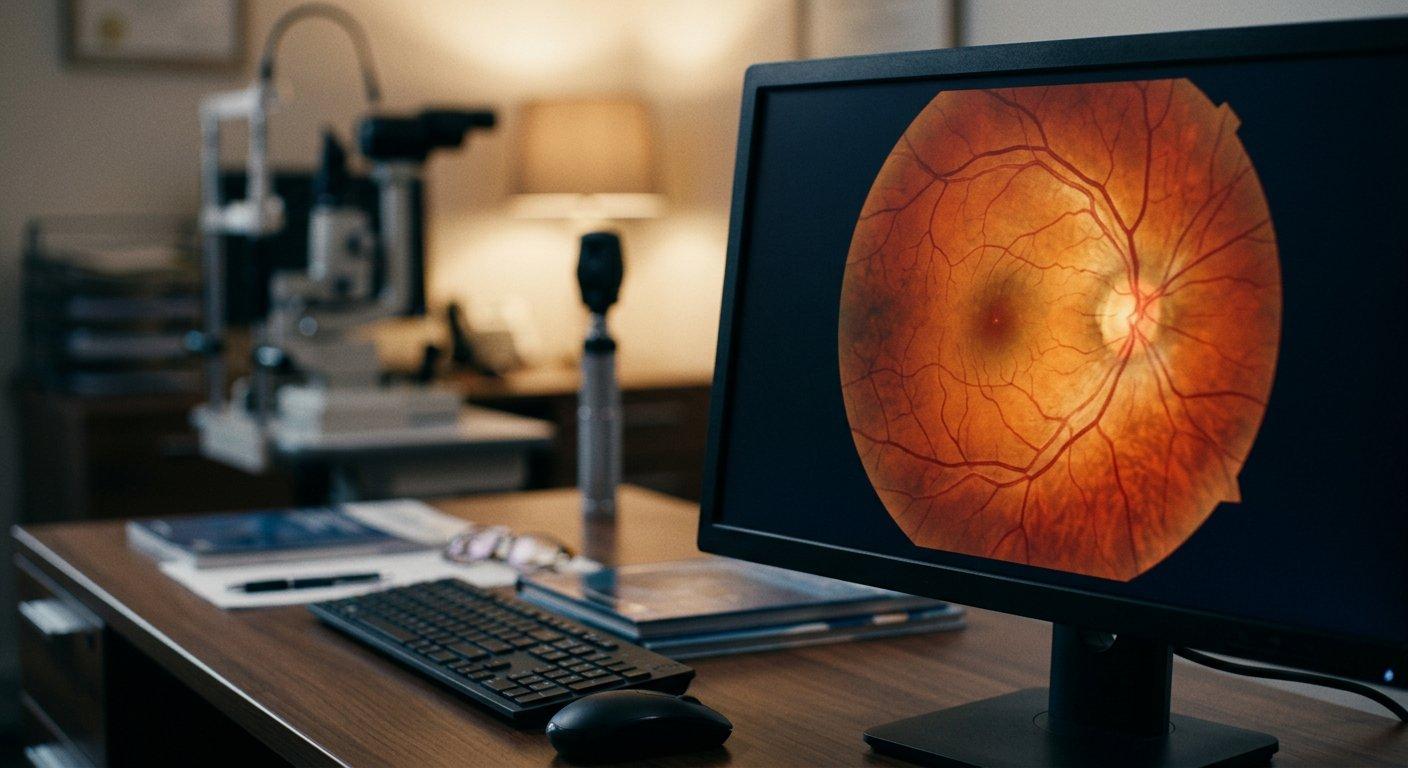
In November, around World Diabetes Day (14 November), it's worth talking about one of the disease's least-known consequences: diabetic retinopathy. It's one of the leading causes of vision loss in working-age adults — and treacherous because its early stages show nothing.
The problem is that the retina's small blood vessels deteriorate years before vision suffers. By the time you notice blurriness or spots, the damage is already significant.
The calendar every diabetic should know
- Type 1 diabetes: first eye check 5 years after diagnosis, then yearly
- Type 2 diabetes: eye check the year of diagnosis — many live years unaware — then yearly
- If retinopathy is already established: every 6 months or as the ophthalmologist marks
- Pregnancy with diabetes: checks every trimester — retinopathy can accelerate
What we do from our practice
You won't come to us for the medical report — that's the ophthalmologist's role. But a full optometric examination gives much more than dioptres: we assess the fundus, the ocular surface and the signs that tell us whether this year's ophthalmology control is especially urgent.
We're also practical about the 'tiredness' factor: diabetes can shift your prescription during periods of poor glucose control. Getting new glasses in one of those periods is an expensive mistake: once glucose is controlled, eyesight often returns to its usual prescription.
You're diabetic — now what?
If it's been a while since your eyes were checked, make it this quarter's goal. Call us on +34 938 71 38 57, tell us it's for a diabetes-related check and we'll book you with enough time to assess everything calmly. It's not an emergency; it's planning your visual health for the next ten years.