Cataracts: symptoms, causes, and when surgery is actually on the table
25 August 2026 · 4 min read
The lens, not a film
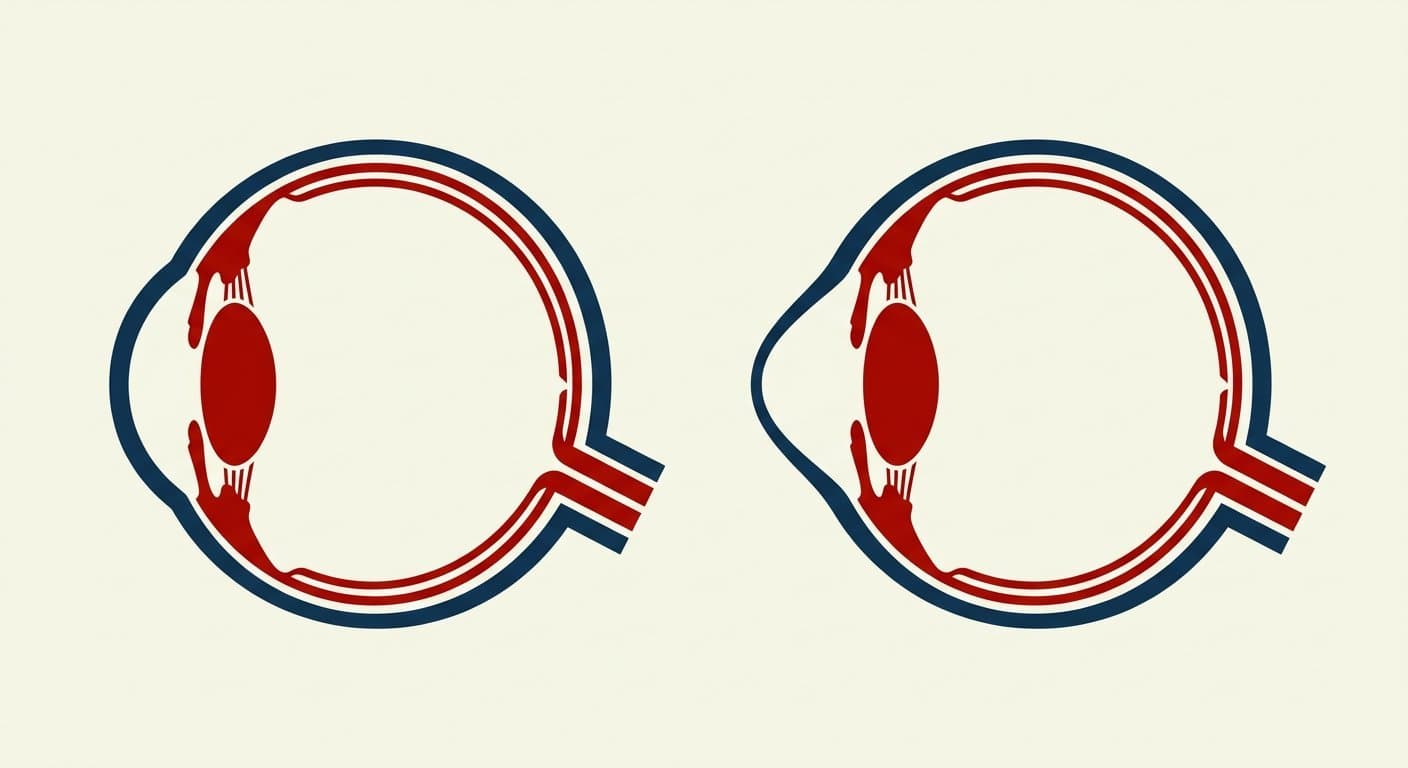
A cataract is the crystalline lens inside the eye gradually clouding over — proteins that were transparent for decades start to clump. Nothing grows over the eye; the lens itself yellows and opacifies. Ageing is the main cause, but UV exposure, diabetes, smoking and some medications (long-term corticosteroids) accelerate it.
It typically develops in both eyes, at different speeds, over years. That's why many people adapt without realising: they just turn on more lamps and stop driving at night.
Early symptoms people ignore
- Glare from headlights and low sun; halos that make night driving uncomfortable.
- Colours look faded or yellowish; whites aren't white.
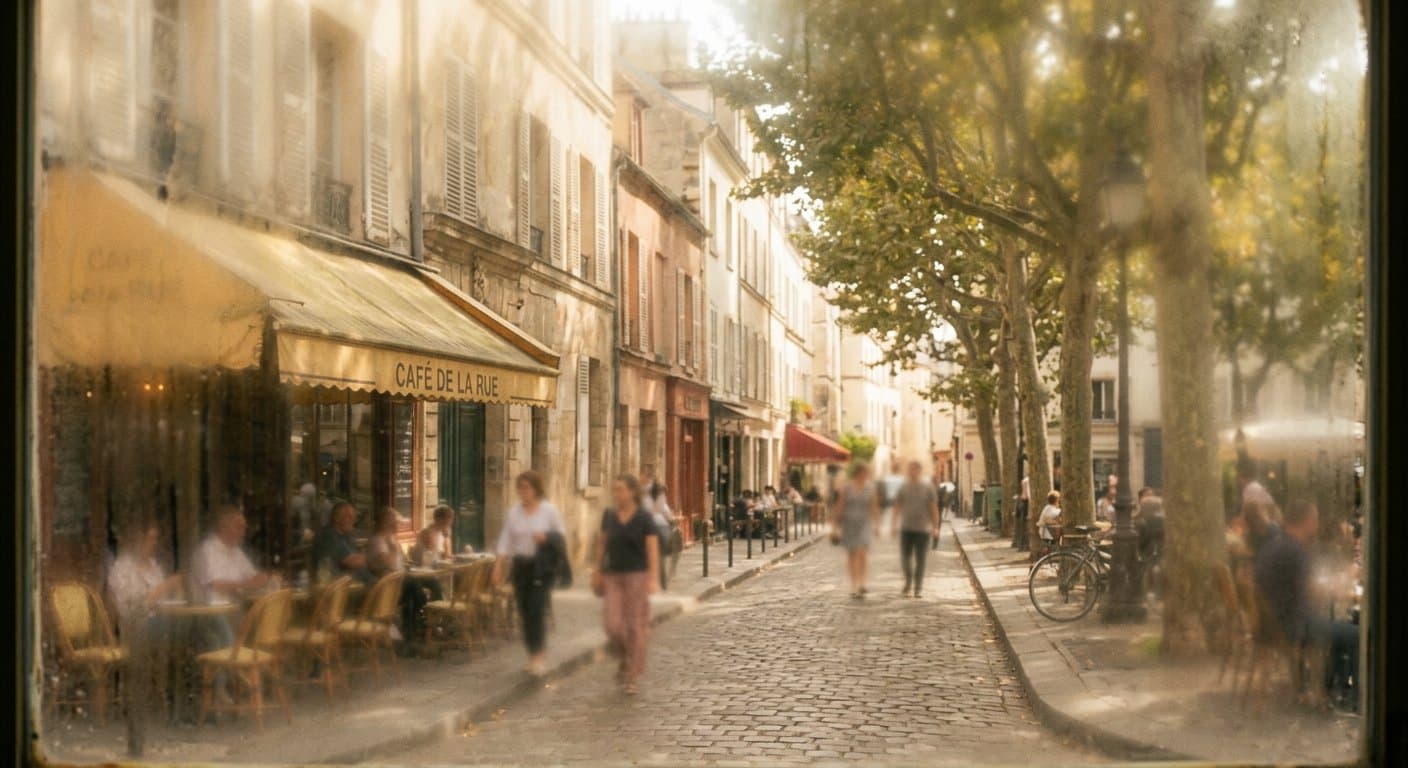
- The feeling your glasses are always dirty no matter how much you clean them.
- Frequent prescription changes, or surprising temporary improvement in near vision ('second sight').
- Reading needing brighter and brighter light.
When is surgery 'on time'?
The old rule was 'wait until it's ripe'. Modern phacoemulsification surgery — ultrasound through a ~2mm incision, roughly 15 minutes, outpatient, local anaesthetic drops — means the timing is now functional: when the cataract interferes with YOUR life (driving, reading, work, hobbies), it's time to talk to the ophthalmologist.
The cloudy lens is replaced by a clear artificial one, and you even choose its focus (distance, near, or premium multifocal designs). Waiting years 'out of fear' mostly means years of unnecessary bad vision — and a harder operation.
What we do at the optician's
We detect and grade cataracts in routine exams, tell you honestly whether vision can still be improved with new glasses (in early stages, often yes), and refer you to the ophthalmologist with a full report when the time is right. After surgery we fit your new prescription — your final glasses are usually simpler than the ones you had before.
Prevention corner: UV400 sunglasses all year, no smoking, diabetes kept in range. You can't stop time, but you can stop accelerating it.